Dr. Miles in a facial consultation
Doctor-Led AssessmentPlan the face before
planning the procedure.
Tri-Plane Facelift by Dr. Miles

Tri-Plane Facelift Natural Rejuvenation No Fake-Look

Tri-Plane Facelift is Dr. Miles's individualized facial rejuvenation approach for suitable patients with mild to moderate facial aging who want to look refreshed while preserving their own expression, charm, and identity.

Doctor-Led Facial Assessment
Customized Incision & Depth Planning
Natural Expression Preservation
Only One Tri‑PlaneDr. Miles proprietary planning
3N StandardNerve, scar, natural-look planning
International PatientsStart with online assessment
Personalized PlanAnatomy before-procedure choice
Fit Check

Is Tri-Plane Facelift right for you?

Not sure? Send front, side, 45-degree, smile, and neck photos for a preliminary online assessment.

  • You want to look rested, not different
  • Filler or threads no longer address the main concern
  • You can allow time for surgical recovery
  • You understand that final suitability requires an examination
Dr. Miles examining facial structure during consultation

Early jowls

Soften the first sign of lower-face descent.

Softened jawline

Restore definition and lower-face contour.

Tired lower-face contour

Refresh a heavy or fatigued appearance.

Mild to moderate sagging

Nasolabial folds and lower-face descent.

Nasolabial folds

Address folds with structural support.

Previous thread lift or filler history

Reassess after temporary treatments.

Philosophy

The question is not"How small is the incision?"

The real question is: Which plan fits your anatomy? Incision length alone does not define a good facelift. Lift direction, tissue depth, tension, scar placement, facial proportions, and healing capacity must be considered together.

“The goal is not to create a new face. It is to restore support so your own face reads as rested, balanced, and unmistakably yours.”

Mini result preview
Mini Result Preview

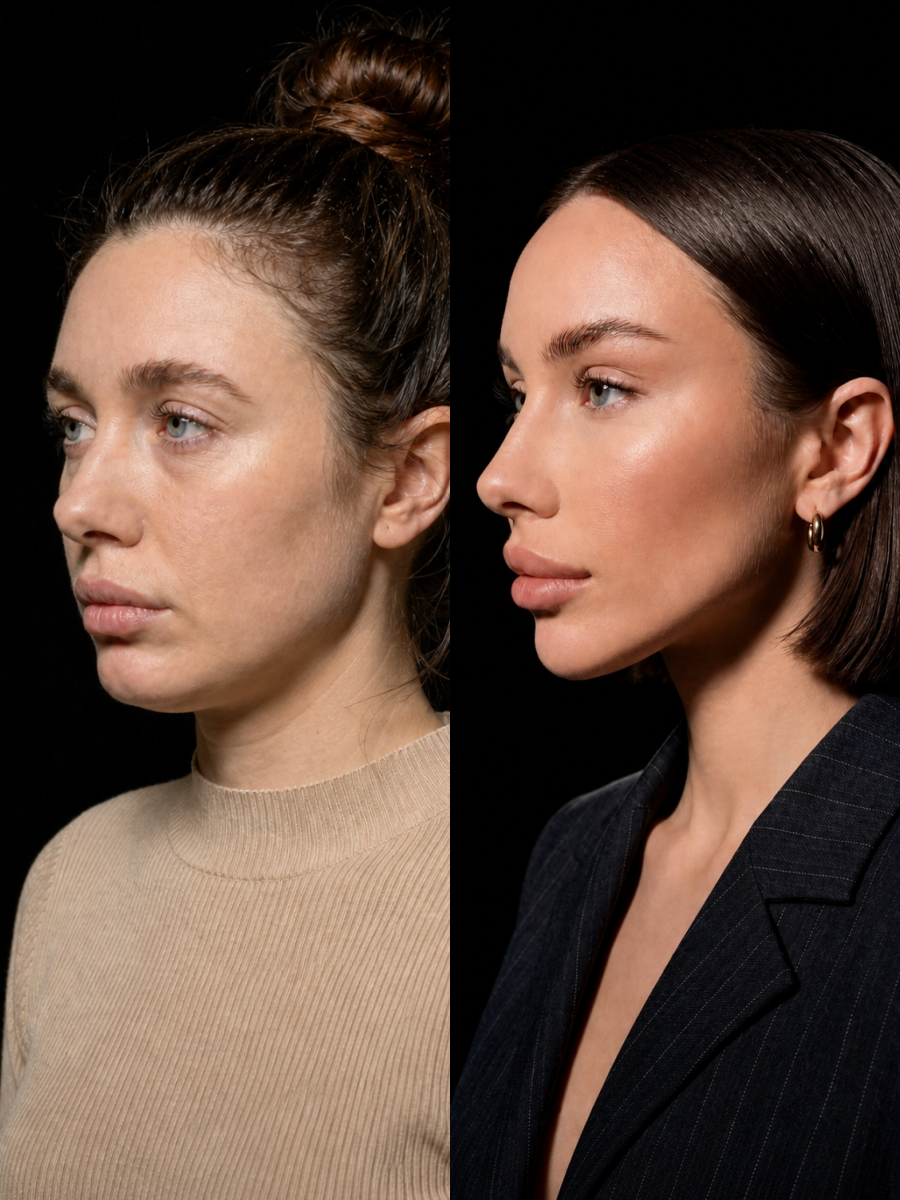
Before & After – Tri‑Plane facelift

Concern: Lower‑face heaviness, jawline softening

Result direction: Natural lower‑face refinement without an overfilled appearance.

Individual results vary.
Mini result preview
Mini Result Preview

Before & After – Tri‑Plane facelift

Concern: Jawline loss, lower‑face sagging

Result direction: Restored support while preserving recognizable expression.

Individual results vary.
What Is Tri-Plane Facelift?

A proprietary planning system, not a generic facelift package.

Tri-Plane Facelift is Dr. Miles's facial rejuvenation planning system. It is not a temporary thread lift and not a one-size-fits-all facelift. The plan is selected after reviewing anatomy, aging pattern, prior treatments, expectations, and recovery timing.

01

Not a temporary thread lift

Tri-Plane Facelift is positioned as surgical facial rejuvenation planning, not a short-lived thread support label.

02

Not one incision for every face

Incision direction and depth are selected after reviewing facial structure, laxity, skin quality, and prior treatments.

03

Not a one-price menu item

Age, anatomy, travel timing, health status, and recovery goals all influence the recommended plan.

04

Not a fake-look transformation

The goal is to refresh your own face, preserving expression, movement, and personal identity.

The Tri-Plane Lifting System

Four principles guide the plan before the procedure begins.

01

Deep Structural Lifting

Addresses support layers when indicated, not only loose skin.

02

Natural Expression Preservation

Lift direction is planned to avoid a tight or wind-pulled look.

03

Customized Incision Planning

Hairline, ear, and natural contours guide discreet placement.

04

Long-Term Facial Harmony

Planning considers the face as a complete structure over time.

Differentiation

Tri-Plane Facelift vs common anti-aging shortcuts.

OptionWhat it may addressWhere Tri-Plane planning differs
Thread liftSelected early laxity with a temporary, minimally invasive approach.Assesses whether tissue descent requires surgical support rather than short-term suspension.
FillerVolume deficiency and contour changes in selected areas.Separates volume loss from tissue descent to avoid adding unnecessary heaviness.
Skin-only liftRedundant skin in carefully selected cases.Considers deeper support and tension distribution when skin tightening alone is unlikely to be enough.
Deep plane liftMore advanced descent requiring deeper release and repositioning.Matches the depth and extent to the face; not every patient requires the same deep-plane operation.

These are general distinctions, not a diagnosis or recommendation. Technique selection requires an in-person examination.

Candidate Signals

Who may be a candidate for Tri-Plane Facelift?

A consultation may be useful if
  • Jowls or jawline softness are visible at rest
  • The lower face appears heavier despite stable weight
  • You prefer structural correction over repeated temporary treatment
  • You have realistic goals and accept surgical recovery
Treatment may need to wait if
  • Your health is not optimized for elective surgery
  • You smoke or cannot follow the surgeon's cessation plan
  • You are pregnant, breastfeeding, or managing an active infection
  • You expect guaranteed results or zero visible scarring
Why Dr. Miles?

Doctor-led judgment before any procedure recommendation.

Assessment firstFacial anatomy, concerns, medical history, prior treatment, and recovery needs are reviewed before a procedure is proposed.
Natural directionThe plan aims to preserve recognizable features and facial movement.
International pathwayPhoto review helps patients decide whether an in-person consultation in Shanghai is worthwhile.
Individual planningDepth, incision, and treatment area are matched to anatomy rather than a template.
Dr. Miles assessing a patient during an in-person consultation
Procedure Matching

Tri-Plane Facelift or Tri-Plane Deep Plane Facelift?

Mild to Moderate Facial Aging

Tri-Plane Facelift

May be considered when the main concerns are early jowls, lower-face softness, nasolabial folds, and jawline definition.

Learn About Tri-Plane Facelift
Stronger Structural Needs

Tri-Plane Deep Plane Facelift

May be recommended for heavier jowls, advanced neck laxity, deeper tissue descent, or stronger support requirements.

Learn About Deep Plane Facelift
International Patient Journey

Start online before you plan travel to Shanghai.

01

Send Photos

02

Preliminary Assessment

03

Personalized Plan Direction

04

Travel & Treatment Planning

05

In-Person Consultation

Recovery Timeline

Recovery is part of the plan, not an afterthought.

01

Day 1–3

Rest, swelling control, incision care, and medical observation are the priority.

02

Week 1

Bruising and swelling are reviewed, and aftercare guidance is adjusted. Many patients look more presentable, although swelling and tightness may remain.

03

Month 2–3

Facial lines continue to settle as tissue recovery becomes more stable.

04

Long-Term

Final refinement depends on anatomy, healing, skin quality, and aftercare.

Travel note: Do not book a fixed return date until the surgeon confirms the recommended local stay. Recovery varies by procedure extent, health, and healing response.

Safety, Scars & Natural Results

A serious procedure deserves transparent expectations.

01

Nerve Safety Planning

Surgical planning should include careful anatomical review and responsible risk discussion.

02

Scar Concealment Strategy

Incisions are planned around natural transitions when anatomy allows. Scar healing varies.

03

No Fake-Look Result

The lift direction is designed for a refreshed appearance, not an over-tightened face.

No surgical result can be guaranteed. Individual outcomes vary depending on anatomy, health status, skin quality, procedure plan, healing, and aftercare.

FAQ

Questions before a Tri-Plane Facelift assessment.

These answers are educational. A final recommendation requires medical assessment and in-person confirmation.

What is Tri-Plane Facelift?
Tri-Plane Facelift is Dr. Miles's surgeon-led facial rejuvenation system that lifts facial contour, restores structural support, and preserves natural features. The final plan is personalized after consultation and medical evaluation.
Is Tri-Plane Facelift the same as thread lift?
No. True Tri-Plane Facelift is not a short-term thread lift. It is a doctor-led surgical lifting system based on deeper structural planning.
What is the difference between Tri-Plane Facelift and Tri-Plane Deep Plane Facelift?
Tri-Plane Facelift is usually considered for mild to moderate aging concerns. Tri-Plane Deep Plane Facelift targets more advanced sagging, heavier jowls, and neck laxity, where deeper structural support must be released and repositioned.
Can international patients start online?
Yes. International patients can begin with an online photo review before booking a flight to Shanghai. A final surgical plan still requires in-person medical consultation.
How long should I stay in Shanghai?
The stay window depends on the surgical plan, recovery progress, and surgeon guidance. The team can help recommend a reasonable stay based on your procedure type and health condition.
Are scars or risks guaranteed to be minimal?
No. Incisions are planned around natural transitions when anatomy allows, and low-tension closure helps reduce visible scarring. However, no surgery can guarantee completely invisible scars or zero risk.
Personalized Assessment

Find out if Tri-Plane Facelift fits your face.

Send your photos, age range, country, WhatsApp number, main concerns, and prior treatments. The team can advise whether Tri-Plane Facelift, Tri-Plane Deep Plane Facelift, or another plan is more suitable.

Chat with Dr. Miles Third-party messaging service