Clinical Focus
Facelift- Planning for jowls, facial folds, lower-face laxity, and a blurred jawline
- Deep-plane direction for advanced sagging and structural descent
- Natural rejuvenation with expression and identity preserved

A doctor-led facelift practice focused on structural planning, natural-looking results, and online assessment for international patients considering facelift in China.
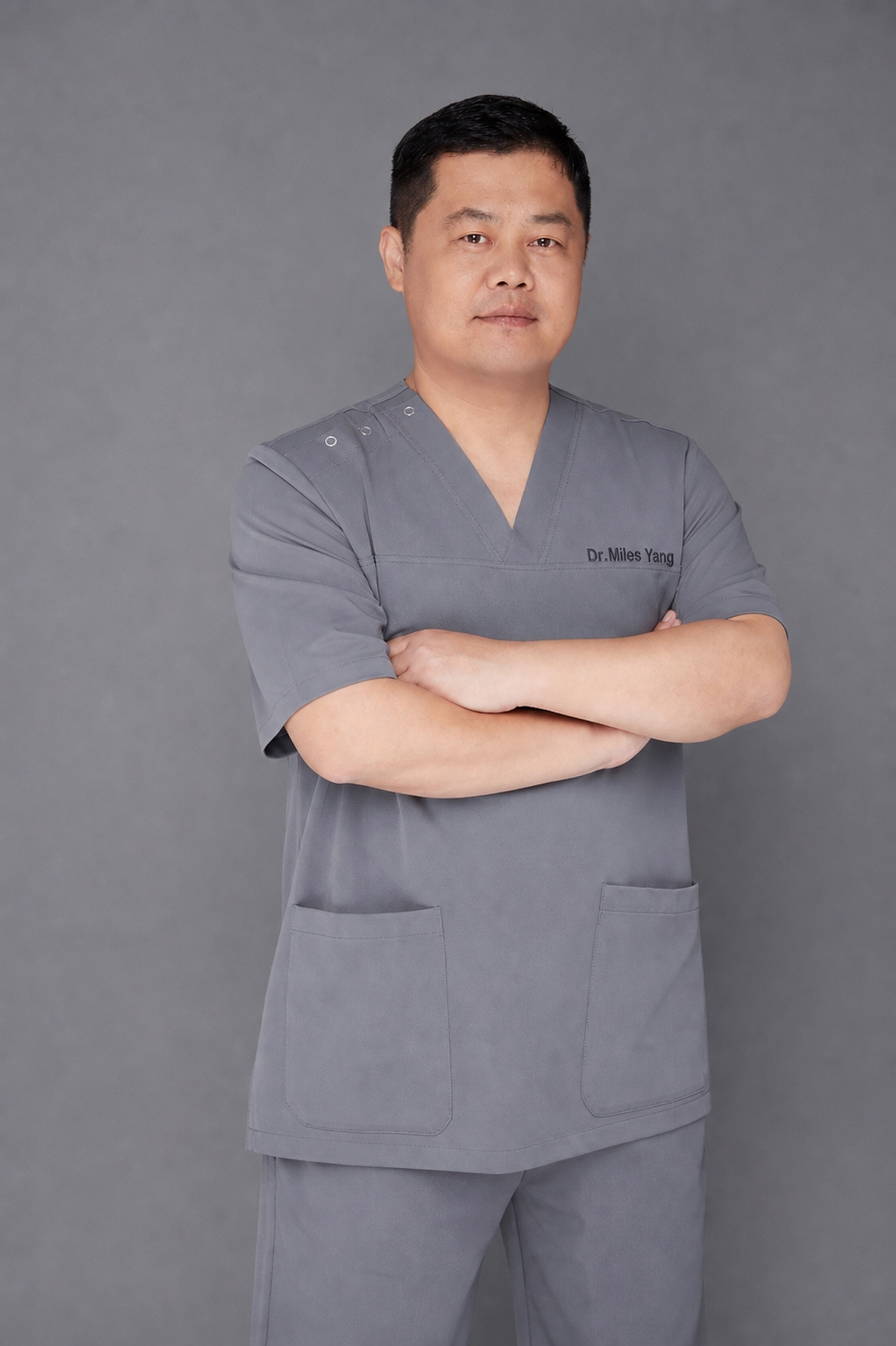
Dr. Miles's work is built around a simple but demanding idea: a facelift should restore support without erasing identity. The Tri-Plane Lift System studies how each face ages before deciding how much lift, which direction, and which level of support is appropriate. For patients searching for natural facelift results, deep-plane facelift planning, or facelift in Shanghai, the first step is not a sales conversation. It is a structured medical review of photos, goals, health history, and realistic recovery expectations.
Plan the face before planning the procedure.
The face is assessed by support layers, tissue descent, skin quality, jawline definition, and neck transition before choosing a lifting direction.
The goal is not to create a different face. Tri-Plane planning protects expression, proportion, and the features that make a patient recognizable.
A good facelift plan is also a safety plan: realistic expectations, careful incision strategy, recovery planning, and honest risk discussion.
Patients often ask whether they need Tri-Plane Lift or Tri-Plane Deep-Plane Lift. The more useful question is where support has been lost and what kind of lift would still look natural.

Front, side, 45-degree, smiling, and neck photos help the team understand jowls, folds, jawline blur, neck laxity, and asymmetry.
Dr. Miles's team considers whether Tri-Plane Lift, Tri-Plane Deep-Plane Lift, or a non-surgical plan is more suitable for the visible aging pattern.
Online assessment is a starting point. The final medical plan is confirmed after direct consultation, examination, and surgical risk review.
Restore support without making the mouth or cheek look pulled.
Read whether the fold is skin, volume, or deeper support descent.
Decide whether deeper release and support are needed.
Refresh the face while keeping the patient recognizably themselves.
Not one isolated wrinkle. This is why a patient with nasolabial folds may need lower-face support, and a patient with a blurred jawline may need neck and deep plane assessment. The visible concern is only the surface of the diagnosis.
"The best result is not the tightest face. It is the most natural version of the patient's own face."
Dr. Miles Tri-Plane Planning Principle
The strongest international medical websites do not only display results. They educate. Dr. Miles's doctor page should make the difference between true Tri-Plane planning, simple skin pulling, and short-term thread lifting easier to understand.
A natural facelift result should look rested, lifted, and believable in motion.
Different faces age through different combinations of skin, fat, ligament, and support changes.
International patients should begin with photos, medical history, goals, and timing before making travel plans.
Send your photos first. The team reviews your case before you plan travel.
Share clear facial and neck photos with your main concerns and previous treatment history.
The team reviews whether your concerns may match Tri-Plane Facelift or Tri-Plane Deep-Plane Facelift planning.
If suitable, travel timing, recovery stay, and consultation expectations can be discussed before arrival.
Clear photos, medical history, and honest goals make the assessment more useful.
Front and side photos · 45-degree photos · Jawline and neck view · Previous surgery or fillers · Health and medication notes · Desired travel timing.
Send your photos on WhatsApp for a structured medical review before any travel decision.
Send photos first. Plan travel only after the initial review.